Graphology vs. Forensic Document Examination: What’s the Difference?
Hello Reader!
Welcome to the blog page of the Institute of Graphology, one of the best Graphology institutes in Kolkata.
Handwriting has fascinated humans for centuries. Beyond its practical use, it carries psychological, emotional, and legal significance. Many people often confuse Graphology with Forensic Document Examination, assuming they serve the same purpose. However, while both involve handwriting, their goals, methods, and applications are entirely different. In this blog, I, Dr Rupa Talukdar, a psychological counsellor in Kolkata and founder of the Institute of Graphology, will explain the clear distinction between Graphology vs. Forensic Document Examination in a detailed and structured way.

What is Graphology?
Graphology is the scientific study of handwriting to understand an individual’s personality, behavior, emotions, and mental state. It is widely used in psychology, counselling, recruitment, relationship analysis, career guidance, and personal development.
At the Best Graphology Institute in Kolkata, students learn how different handwriting traits, such as slant, pressure, spacing, size, and rhythm, reflect a person’s inner world. Graphologists do not focus on whether a signature is real or fake; instead, they interpret what the writing reveals about the writer’s mind.
For example, large handwriting may indicate confidence and extroversion, while small handwriting may suggest introversion or sensitivity. Graphology helps in self-awareness, emotional healing, and personal growth.
What is Forensic Document Examination?
Forensic Document Examination, on the other hand, is a legal and scientific discipline used in courts, police investigations, and criminal cases. A forensic expert examines handwriting, signatures, ink, paper, and alterations to determine authenticity or forgery.
Unlike Graphology vs. Forensic Document Examination, the forensic expert is not concerned with personality traits. Their main goal is to answer questions such as:
- Is this signature genuine or forged?
- Was the document altered?
- Are these two writings from the same person?
This field relies on technology, microscopes, chemical analysis, and comparison techniques rather than psychological interpretation.
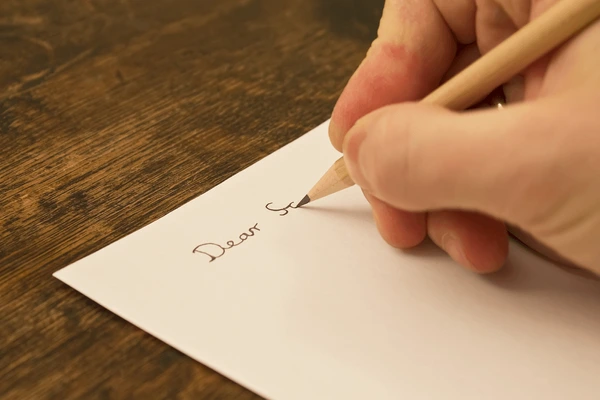
Handwriting Elements Analyzed
Handwriting analysis forms the core of both graphology and forensic document examination, yet the elements scrutinized reveal stark contrasts in Graphology vs. Forensic Document Examination. Graphologists like Dr. Rupa Talukdar at the Best Graphology Institute in Kolkata focus on interpretive traits for personality insights, while forensic experts prioritize objective metrics for legal proof. These differences underscore why training at the Best Graphology Institute in Kolkata equips counselors with practical, psychological tools.
Common Traits in Graphology
Graphology examines subtle handwriting features to uncover psychological states and traits. Key elements include letter slant, which indicates emotional openness—rightward leans suggest extroversion, while leftward ones hint at introversion or restraint. Pressure of strokes reflects energy levels: heavy lines denote intensity and passion, lighter ones suggest sensitivity or caution. Size of letters and spacing further reveal confidence and social orientation, making graphology ideal for counseling at the Best Graphology Institute in Kolkata.
Forensic Focus Areas
Forensic document examiners target physical and technical aspects to verify authenticity. Stroke sequence tracks the order and direction of pen movements, exposing forgeries where natural flow is disrupted. Ink analysis identifies age, composition, and alterations through chemical testing, while indentations reveal underlying writings via electrostatic detection. These methods ensure court-ready evidence, distinguishing Graphology vs. Forensic Document Examination in high-stakes investigations.
Key Distinctions Through Metrics
| Handwriting Element | Graphology Interpretation | Forensic Examination Purpose |
| Slant | Emotional direction (e.g., sociability) | Rarely used; focus on consistency |
| Pressure | Personality intensity and stress | Stroke width for tool identification |
| Size & Spacing | Self-image and organization | Proportions for writer identification |
| Stroke Sequence | Minimal emphasis | Forgery detection via unnatural flow |
| Ink & Indentations | Not analyzed | Authenticity and hidden content proof |
This table highlights Graphology vs. Forensic Document Examination through handwriting metrics, showing graphology’s subjective depth versus forensics’ empirical precision. At the Best Graphology Institute in Kolkata, Dr. Rupa Talukdar teaches these graphology traits for therapeutic applications.
Practical Implications
Understanding these elements empowers professionals to choose the right path—graphology for personal growth or forensics for legal work. In Kolkata, aspiring counselors benefit from Graphology vs. Forensic Document Examination training at the Best Graphology Institute in Kolkata, blending theory with real-world psychological insights.
Also Read: What is Signature Forgery? How to Detect a Forged Signature?

Key Differences Between Graphology and Forensic Document Examination
| Aspect | Graphology | Forensic Document Examination |
| Purpose | Understand personality | Verify authenticity |
| Use | Counselling, HR, self-growth | Legal cases, police |
| Focus | Writer’s mind | Writer’s identity |
| Tools | Psychological analysis | Scientific instruments |
| Outcome | Behavioral insight | Legal evidence |
This comparison clearly highlights why Graphology vs. Forensic Document Examination should not be treated as the same field.
Why Both Fields Matter
Graphology plays a vital role in mental health, emotional well-being, and personal development. As a psychological counsellor, I often use handwriting analysis to understand clients better and guide them toward clarity and confidence.
Forensic Document Examination is equally important for justice, crime prevention, and legal integrity. Without it, forgery and fraud cases would be difficult to resolve.

Scientific Validity and Criticisms
Scientific validity remains a pivotal debate in Graphology vs. Forensic Document Examination, pitting graphology’s intuitive insights against forensics’ rigorous standards. While forensic document examination enjoys widespread scientific endorsement, graphology faces skepticism yet holds value in psychological counseling contexts like those taught at the Best Graphology Institute in Kolkata. Dr. Rupa Talukdar’s programs emphasize practical applications over unproven claims, bridging theory with real-world therapy.
Graphology’s Subjective Approach
Graphology relies on observational analysis of handwriting traits like slant and pressure to infer personality, often criticized as subjective and lacking empirical rigor. Studies, such as those from the 1980s by the International Graphology Association, show mixed results in blind tests, with accuracy around 60-70% for trait prediction, far from universal validation. Despite this, practitioners at the Best Graphology Institute in Kolkata integrate it as a supplementary tool in counseling, not a standalone diagnostic.
Forensics’ Empirical Foundation
Forensic document examination uses controlled comparisons, microscopy, and chemical tests, achieving high reliability backed by organizations like the American Society of Questioned Document Examiners. Error rates hover below 5% in proficiency tests, making it a cornerstone of legal evidence worldwide. This objectivity starkly contrasts Graphology vs. Forensic Document Examination, where forensics prioritizes replicable data over interpretation.
Court Admissibility Challenges
Graphology rarely meets Daubert or Frye standards for scientific reliability, leading to exclusion from most courts due to its non-falsifiable nature. Forensic handwriting analysis, however, is routinely admitted, with experts testifying on forgeries via statistical models and known sample matches. These disparities fuel Graphology vs. Forensic Document Examination discussions, underscoring why the Best Graphology Institute in Kolkata focuses on therapeutic, not legal, training.
Debunking Common Myths
| Myth | Reality in Graphology vs. Forensics |
| Graphology = Handwriting Forensics | Graphology profiles personality; forensics detects fraud |
| Both are pseudosciences | Forensics is validated scientifically; graphology is observational |
| Graphology predicts crime | No evidence; used for insights, unlike forensics’ evidential role |
This table clarifies Graphology vs. Forensic Document Examination myths, affirming graphology’s role in personal development at institutions like the Best Graphology Institute in Kolkata. Critics overlook its efficacy in counseling when applied judiciously by experts like Dr. Rupa Talukdar.

Learning Graphology Professionally
If you are interested in mastering this fascinating science, the Best Graphology Institute in Kolkata, Institute of Graphology, offers structured training programs. Students are taught theoretical knowledge, practical case studies, and real-life handwriting assessments.
Understanding Graphology vs. Forensic Document Examination is the first step toward choosing the right career path in handwriting science.
Career Opportunities in Kolkata
Career opportunities in graphology and forensic document examination offer distinct paths in Kolkata’s dynamic professional landscape, with Graphology vs. Forensic Document Examination highlighting counseling’s accessibility versus forensics’ legal rigor. Graphology thrives in therapy and HR roles, especially through training at the Best Graphology Institute in Kolkata led by Dr. Rupa Talukdar. Choosing her expertise equips professionals with practical skills for personal growth in industries over court-focused forensics.
Graphology Roles in Counseling and HR
Graphology opens doors to counseling, where experts analyze handwriting for emotional insights, aiding therapy sessions on stress and relationships. In HR, it supports recruitment by matching personality traits to job fits, with demand rising in Kolkata’s wellness sector. The Best Graphology Institute in Kolkata trains students for these roles, blending psychological counseling with graphology for careers in private practice or corporate wellness programs.
Forensic Paths in Law Enforcement
Forensic document examiners find opportunities in Kolkata’s police departments, CBI units, and private detective agencies, verifying signatures and detecting forgeries in fraud cases. Roles involve court testimonies and lab analysis, requiring certifications from forensic institutes. Unlike graphology’s therapeutic focus, these demand scientific precision, making Graphology vs. Forensic Document Examination a key career differentiator.
Why Train with Dr. Rupa Talukdar
Dr. Rupa Talukdar’s 28+ years in psychological counseling and graphology at the Best Graphology Institute in Kolkata provide hands-on training tailored for Graphology vs. Forensic Document Examination mastery. Her programs emphasize real-world applications in therapy over forensic legal hurdles, with alumni securing roles in counseling clinics and HR firms. Enrolling offers personalized mentorship, certification, and networking in Kolkata’s growing graphology scene.
Comparison of Opportunities
| Field | Key Roles in Kolkata | Entry Requirements | Earning Potential |
| Graphology | Counseling, HR screening, therapy | Certification from Best Graphology Institute in Kolkata | Moderate, self-employed flexibility |
| Forensic Exam | Law enforcement, investigations | Forensic science degree/certification | High, government-backed stability |
This table illustrates Graphology vs. Forensic Document Examination career edges, favoring graphology for quick entry via Dr. Talukdar’s institute. Aspiring professionals gain versatile skills for Kolkata’s counseling boom.

Average salary for graphologists in Kolkata roles
Graphologists in Kolkata typically earn between ₹3-6 lakhs annually on average, with entry-level roles starting around ₹2.5 lakhs and experienced counselors reaching ₹8-10 lakhs or more through private practice. Salaries align closely with psychological counseling positions, averaging ₹5.1 lakhs per year including benefits, influenced by factors like certification and client base. Freelance or institute-affiliated graphologists at places like the Best Graphology Institute in Kolkata often supplement income via workshops and consultations.
Salary Breakdown by Experience
- Entry-Level (0-2 years): ₹2.3-4 lakhs, common for fresh graduates from graphology courses handling basic analyses.
- Mid-Level (3-5 years): ₹4.5-6 lakhs, in counseling or HR roles using handwriting insights.
- Senior/Expert (5+ years): ₹6-10 lakhs+, especially for Dr. Rupa Talukdar-style practitioners with private clinics.

FAQ
FAQ 1: What is Graphology?
Graphology is the study of handwriting to understand a person’s personality, emotions, and behavior.
FAQ 2: What is Forensic Document Examination?
It is a scientific method used to verify the authenticity of handwriting, signatures, and documents in legal cases.
FAQ 3: Is Graphology used in courts?
No, graphology is mainly used in counselling, HR, and personal development, not in legal investigations.
FAQ 4: Can a graphologist detect forgery?
No. Detecting forgery is the job of a forensic document examiner, not a graphologist.
FAQ 5: Which field is more scientific?
Forensic Document Examination is more technically scientific, while graphology is psychological and interpretative.
Conclusion
While both fields analyse handwriting, their intentions are entirely different. Graphology focuses on the psychology of the writer, whereas Forensic Document Examination focuses on the legality and authenticity of the document.
I hope this detailed explanation of graphology versus forensic document examination helps you appreciate the uniqueness of both disciplines. If you wish to learn graphology professionally, the Best Graphology Institute in Kolkata, the Institute of Graphology, welcomes you to explore this powerful science.