
Why is Signature Important in Graphology?
Hello Reader!
Welcome to the blog page of the Institute of Graphology, one of the best Graphology institute in Kolkata.
In graphology, handwriting is often called the mirror of the mind—but a signature is the mirror of how a person wants to be seen by the world. This is why Signature is important in graphology. It reflects self-image, confidence, ambition, emotional state, and even subconscious desires. At the Best Graphology Institute in Kolkata, we place special emphasis on signature analysis because it reveals aspects of personality that regular handwriting may not always show.
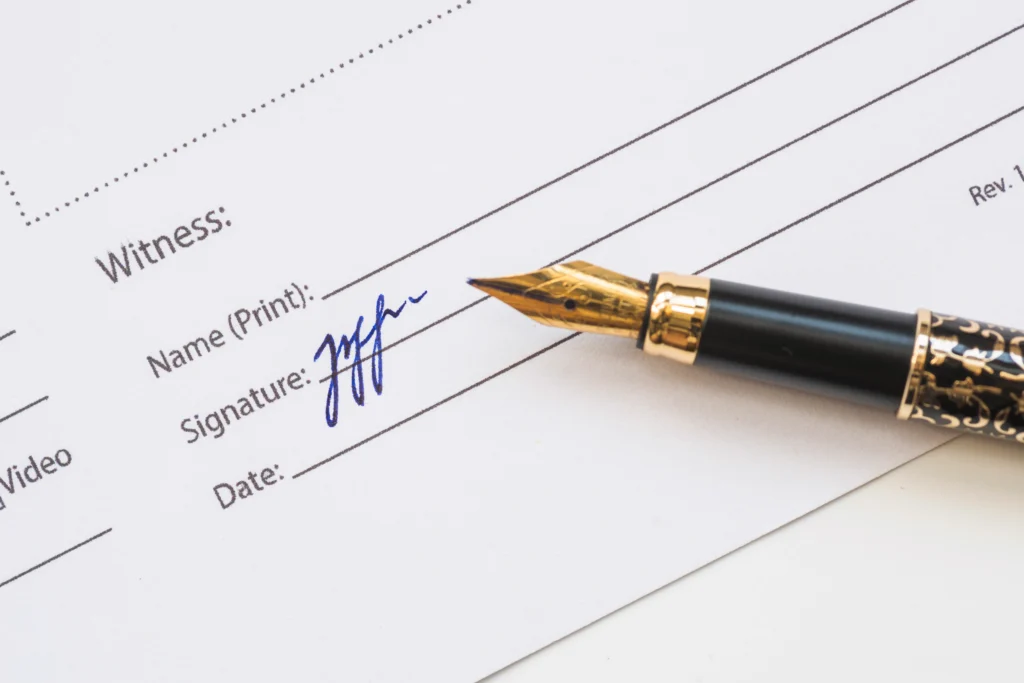
What Is a Signature in Graphology?
A signature is a consciously designed mark that represents identity. Unlike handwriting, which flows naturally, a signature is practiced and stylized. This is exactly why Signature is important—it represents the public self, while handwriting represents the private self.
Graphologists compare both to understand internal conflicts, strengths, and psychological balance.
Why Signature Is Important in Graphology
1. Reveals Self-Image and Confidence
The size, pressure, and placement of a signature show how a person perceives themselves.
- Large signature: High self-confidence or desire for recognition
- Small signature: Modesty or low self-esteem
This is one of the main reasons Signature is important in personality assessment taught at the Best Graphology Institute in Kolkata.
2. Shows Public vs Private Personality
When handwriting and signature differ significantly, it indicates a gap between who a person is and who they want to appear as.
- Simple handwriting + stylish signature = desire for status
- Heavy handwriting + faint signature = insecurity
This contrast analysis is a core concept at the Best Graphology Institute in Kolkata.
3. Indicates Emotional Strength and Stability
Signature strokes, angles, and flow can indicate emotional control:
- Smooth, flowing signature: Emotional balance
- Sharp angles: Aggression or strong determination
- Broken strokes: Emotional stress or inner conflict
Hence, Signature is important in psychological and behavioral graphology.
4. Reflects Ambition and Career Orientation
Upward strokes, underlines, and extensions indicate ambition, leadership, and goal orientation. Many corporate assessments rely on signature analysis because Signature is important in understanding professional mindset and decision-making abilities.
5. Helps in Signature Correction
One powerful aspect of graphology is signature correction. By consciously modifying certain signature traits, individuals can improve confidence, focus, and emotional balance over time. This technique is taught practically at the Best Graphology Institute in Kolkata under expert guidance.

Key Signature Features Graphologists Analyze
At our institute, students learn to analyze:
- Size and legibility
- Slant and direction
- Pressure and speed
- Underlines, dots, loops, and flourishes
- Placement on the page
Each feature reinforces why Signature is important in complete personality evaluation.
Signature Analysis in Real Life
Signature analysis is widely used in:
- Personality development
- Career counseling
- Leadership coaching
- Emotional healing and self-growth
- Corporate recruitment
This growing demand is why professional training from the Best Graphology Institute in Kolkata is essential for aspiring graphologists.
Learning Graphology Professionally
At the Institute of Graphology, we provide structured courses that cover handwriting analysis, signature analysis, and signature correction techniques in depth. Students learn why Signature is important not just theoretically, but through real-life case studies and practical sessions.
Also Read: What is Signature Forgery? How to Detect a Forged Signature?

What does an illegible signature indicate in graphology?
An illegible signature in graphology often signals a desire for privacy, mystery, or emotional guardedness.
Key Interpretations
It reflects someone who projects an enigmatic public image, concealing their true self from others—think avoidance of vulnerability or superficial connections. Common traits include impatience, anxiety, or a tendency to escape reality, as the writer resists clear self-revelation.
Contextual Nuances
- Impatience/Speed: Semi-legible strokes suggest quick thinking but poor follow-through.
- Secrecy/Deception: Extreme illegibility hints at manipulation or hidden motives, differing sharply from legible handwriting.
- Low Transparency: Unlike legible signatures showing openness, illegible ones indicate distrust or something to hide.
When mismatched with readable text, it highlights inner conflict between private authenticity and public persona. Dr. Rupa Talukdar at the Best Graphology Institute in Kolkata teaches these insights for precise analysis—signature is important for such revelations.
Signature slant meaning for emotional traits
Signature slant in graphology primarily reveals how emotions are expressed outwardly, not their intensity.
Right Slant (Forward Lean)
Indicates emotional openness, sociability, and responsiveness—writers connect warmly, showing feelings freely. Common in extroverts seeking interaction; Dr. Rupa Talukdar at the Best Graphology Institute in Kolkata notes it as heart-driven traits.
Left Slant (Backward Tilt)
Suggests restraint, introspection, or emotional guardedness; feelings stay internalized, signaling caution or independence. Signature is important here, reflecting self-protection over expression.
Vertical/No Slant
Denotes balance, logic over emotion—controlled, pragmatic individuals who appear calm despite inner feelings. Stability shines; ideal for analytical roles, as taught at the Best Graphology Institute in Kolkata.
| Slant Type | Emotional Trait | Example Personality |
| Right | Expressive, outgoing | Warm, empathetic |
| Left | Reserved, introspective | Cautious, analytical |
| Vertical | Balanced, controlled | Logical, stable |
Context with pressure or size refines analysis; illegible right slants amplify mystery. Signature is important—learn more at the Best Graphology Institute in Kolkata with Dr. Rupa Talukdar.

Differences between handwriting text and signature
Handwriting text and signatures differ fundamentally in graphology, revealing distinct aspects of personality.
Core Purpose
Text represents the private, authentic self—spontaneous thoughts, emotions, and daily mindset. Signature acts as the public persona or “social mask,” consciously crafted to project image, status, or professionalism.
Key Differences
Signatures are stylized and consistent, often simplified or exaggerated, while text varies more naturally with mood or context. Signature is important as it shows ambition and self-perception; legible text indicates openness, unlike a cryptic signature signaling reserve.
| Aspect | Handwriting Text | Signature |
| Reveals | Inner traits, intellect | Outer image, ego |
| Consistency | Variable (fatigue, emotion) | Fixed (public use) |
| Legibility | Everyday clarity | Often stylized/illegible |
| Pressure/Slant | Subconscious feelings | Intentional projection |
Mismatch between them highlights inner-outer conflict, as analyzed at the Best Graphology Institute in Kolkata by Dr. Rupa Talukdar—signature is important for complete profiling.
Signature analysis for confidence and ambition traits
Signature analysis in graphology reveals confidence and ambition through size, baseline, and embellishments.
Indicators of Confidence
Large, bold signatures signal high self-esteem and extroversion—writers seek recognition and project authority. Clear, prominent capital letters denote self-worth; underlines reinforce self-reliance and pride. At the Best Graphology Institute in Kolkata, Dr. Rupa Talukdar teaches how signature is important for spotting these assertive traits.
Markers of Ambition
Ascending baselines (upward slant) indicate optimism, drive, and future focus—the steeper, the stronger the goal-oriented mindset. Closing flicks or strokes show energy and proactivity; oversized signatures amplify leadership aspirations.
| Feature | Trait Signaled | Interpretation |
| Large Size | Confidence | Seeks spotlight |
| Ascending Baseline | Ambition | Optimistic drive |
| Underline | Self-esteem | Proud, willful |
| Bold Capitals | Authority | Strong ego |
Signature is important when larger than text, highlighting projected persona over inner self. Learn precise analysis at the Best Graphology Institute in Kolkata with Dr. Rupa Talukdar.
Pressure in handwriting vs signature graphology differences
Handwriting pressure in graphology measures emotional intensity and energy, while signatures amplify or modify these for public projection.
Pressure in Handwriting Text
Reveals subconscious vitality and instinct strength—heavy pressure (deep grooves, bold strokes) signals high energy, passion, and endurance but potential tension or aggression. Light pressure (faint lines) indicates sensitivity, adaptability, or detachment; medium shows balance. Signature is important as text pressure reflects private drives.
Pressure in Signature
Projects controlled persona—heavier signature pressure than text denotes amplified confidence or defensiveness in social settings. Lighter signatures suggest restraint or diplomacy publicly, despite inner intensity. At the Best Graphology Institute in Kolkata, Dr. Rupa Talukdar analyzes mismatches for inner-outer conflicts.
| Aspect | Handwriting Text | Signature |
| Heavy Pressure | Deep emotions, vitality | Bold authority |
| Light Pressure | Sensitivity, flexibility | Reserved image |
| Mismatch | Inner tension | Public adaptation |
Dr. Rupa Talukdar notes signature is important—pressure extremes reveal health/stress; originals best for tactile assessment.
Light vs heavy pressure personality traits
Heavy pressure shows intense emotions and strong vitality, while light pressure indicates sensitivity and restraint.
Heavy Pressure Traits
Bold, deep strokes reveal aggressive energy, passion, possessiveness, and endurance—writers are creative, ego-driven, and resilient but may be tense or domineering. Signature is important with heavy pressure, projecting authority like in Churchill’s resolute style.
Light Pressure Traits
Faint, thin lines suggest tenderness, tolerance, spirituality, adaptability, and forgiveness—gentle, empathetic individuals who avoid conflict. They excel in diplomacy but may lack assertiveness.
| Pressure Type | Key Traits | Example Figures |
| Heavy | Passionate, aggressive, enduring | Napoleon, Trump |
| Light | Sensitive, tolerant, adaptable | Einstein’s steadiness |
Dr. Rupa Talukdar at the Best Graphology Institute in Kolkata analyzes pressure for balanced profiles—mismatches reveal inner dynamics.
Examples of pressure analysis in famous signatures
Famous signatures offer compelling examples of pressure analysis in graphology, revealing emotional intensity and drive.
Winston Churchill
Churchill’s bold, heavy-pressure strokes with deep emphasis reflect unyielding determination, resilience, and passionate leadership—his underline adds self-assured conviction.
Napoleon Bonaparte
Napoleon’s sharp, forceful downward strokes show aggressive ambition and control; heavy pressure underscores his commanding, power-driven nature.
Albert Einstein
Einstein’s steady, strong pressure without flourishes indicates persistent focus and intellectual depth, aligning with his methodical genius.
Adolf Hitler
Hitler’s rigid, heavy-pressure strokes with sharp angles signal authoritarian intensity and ruthlessness, lacking fluidity for emotional coldness.
Donald Trump
Trump’s large, angular signature features robust pressure, denoting high confidence, impulsiveness, and competitive dominance.
| Figure | Pressure Style | Key Trait |
| Churchill | Bold, emphatic | Leadership resolve |
| Napoleon | Forceful downward | Power hunger |
| Einstein | Steady, even | Persistent intellect |
| Hitler | Rigid, heavy | Ruthless control |
| Trump | Robust, angular | Assertive energy |
Dr. Rupa Talukdar at the Best Graphology Institute in Kolkata uses such cases to teach pressure’s role—signature is important for historical insights.

FAQ
1. Why is a signature important in graphology?
A signature represents a person’s public image and self-identity, showing how they want to be perceived by others.
2. What does a signature reveal that handwriting does not?
While handwriting shows the private personality, the signature reflects confidence, ambition, self-esteem, and social image.
3. Can signature analysis indicate emotional traits?
Yes, signature strokes, pressure, and flow can reveal emotional stability, stress levels, and inner conflicts.
4. What is signature correction in graphology?
Signature correction is a technique where conscious changes in a signature help improve confidence, focus, and emotional balance over time.
5. Is signature analysis useful for career and personal growth?
Yes, graphologists use signature analysis for career guidance, leadership assessment, and personality development.
Final Thoughts
A signature is more than a name—it is a psychological statement. Understanding why Signature is important helps unlock deeper insights into confidence, ambition, emotional health, and self-image. Whether you are a learner or someone seeking self-improvement, studying under expert guidance makes all the difference.
If you wish to master the art and science of graphology, train with Dr. Rupa Talukdar at the Best Graphology Institute in Kolkata, where handwriting and signatures truly come alive with meaning.